



Dr Wong Jen San
Consultant Hepatobiliary & Pancreatic Surgeon
MBChB (UK), MMed (Singapore), Msc (Singapore), FRCS (Edinburgh), FAMS
Noticing unusual changes in your body, like a small lump, a feeling of heaviness, or persistent discomfort, can be unsettling and it is natural to wonder whether it is something serious. Many people try to ignore these signs or hope they will go away on their own, especially when the symptoms seem mild at first. Hernias are more common than you might think, but certain symptoms should not be overlooked as they can worsen over time without proper care. By understanding what your body may be telling you, you can take early, informed steps toward getting the support and treatment you need.
What Is a Hernia?
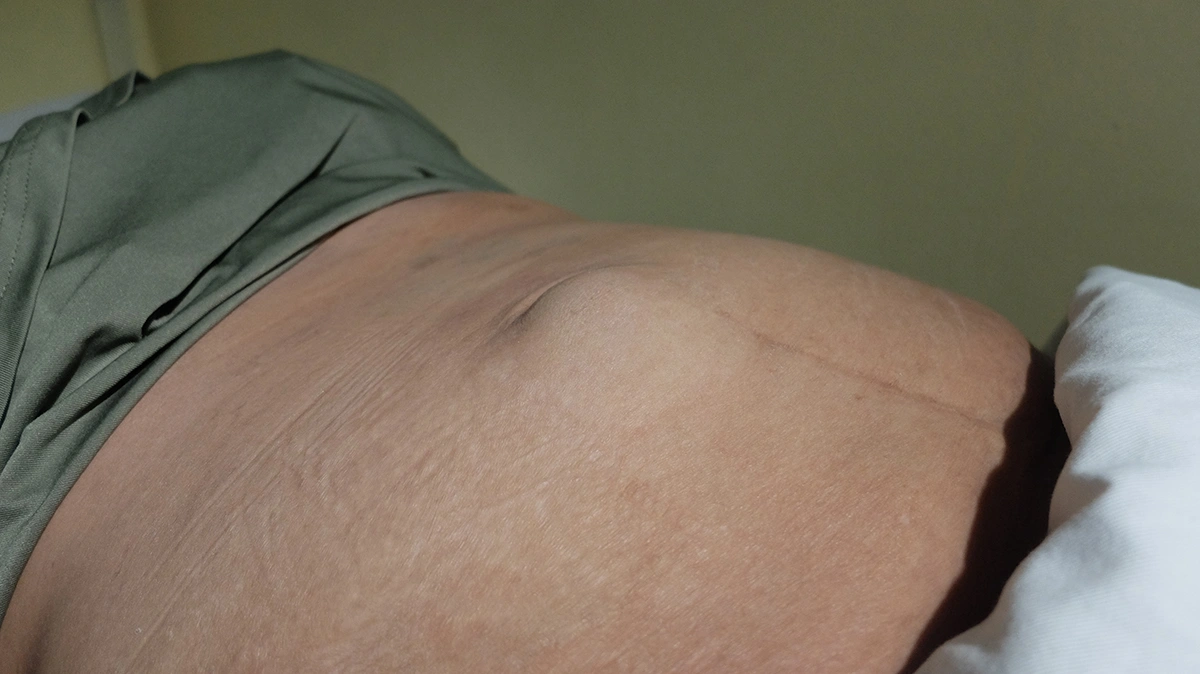
A hernia occurs when an internal organ or tissue pushes through a weak spot in the surrounding muscle or connective tissue, often creating a noticeable lump or bulge. While this can sound alarming, hernias are relatively common and can develop gradually over time due to strain, heavy lifting, or natural weakening of muscles with age.
There are several types of hernias, with inguinal (groin) and umbilical (near the belly button) being among the most common. Each type may present slightly differently, but they often share similar symptoms such as a visible bulge or discomfort during movement.
What Are Some Common Hernia Symptoms to Watch For?
Hernia symptoms can vary from person to person and in the early stages, they may feel mild or easy to dismiss. One of the most noticeable signs is a visible bulge or swelling, often in the abdomen or groin area, which may become more apparent when standing, coughing or straining.
You might also experience a dull ache, pressure, or discomfort, especially during activities like lifting, bending, or prolonged standing. Some people describe a feeling of heaviness or weakness in the affected area, while others notice that the discomfort comes and goes.
Because these symptoms can develop gradually, it is common to overlook them at first. Paying attention to these early signs can help you seek hernia care sooner and prevent the condition from becoming more serious.
Hernia Symptoms That Require Urgent Medical Attention
While some hernia symptoms may remain mild, certain warning signs should never be ignored. Seek medical attention promptly if you notice:
- Sudden or severe pain at the hernia site
- Nausea or vomiting
- A bulge that becomes firm, tender, or cannot be pushed back in
- Redness, darkening, or unusual discoloration over the area
What Happens If a Hernia Is Left Untreated?
Hernias do not heal without treatment and over time, they may gradually become larger or more uncomfortable as the surrounding muscles continue to weaken.
As the condition progresses, everyday activities like walking, lifting, or even standing for long periods can become more difficult. In some cases, a hernia can lead to complications, such as when the tissue becomes trapped (incarcerated) or loses its blood supply (strangulated), which can be serious and require urgent medical care.

Address All Types of Hernias at JS Wong Hernia Clinic
Hernia symptoms can be easy to overlook, especially when they seem mild at first, but paying attention to your body is an important step in protecting your health. Knowing which signs to watch for and when to seek help can make a meaningful difference in preventing complications. If you are ever unsure, it is always worth getting checked so you can move forward with clarity and peace of mind.
JS Wong Hernia Clinic offers safe and effective diagnosis and treatment for a wide range of hernia conditions using advanced, minimally invasive techniques. With over 15 years of experience and specialised training in the UK and Japan, Dr Wong Jen San provides personalised, evidence-based care to help you achieve the best possible outcome. If you are experiencing symptoms of a hernia or are unsure about your discomfort, schedule a consultation with our specialist to receive guidance and clarity.
FAQs About Hernia Symptoms
Can hernia symptoms come and go?
Yes, some people notice symptoms like discomfort or a bulge appearing during activity and disappearing when resting.
Are hernia symptoms always painful?
Not always since some hernias may be painless but still present as a noticeable lump or feeling of pressure.
Why does the bulge from a hernia sometimes disappear when lying down?
When you lie down, pressure in the abdomen decreases, allowing the protruding tissue to move back into place.
Are hernias more common in men or women?
Certain types, like inguinal hernias, are more common in men, while others can affect both men and women.
How long does it take to recover from hernia surgery?
Recovery time varies, but many patients can return to light activities within a few days and normal routines within a few weeks.
Our Dedicated Specialist
Dr Wong Jen San
Consultant Hepatobiliary & Pancreatic Surgeon
MBChB (UK), MMed (Singapore), Msc (Singapore), FRCS (Edinburgh), FAMS
Dr Wong Jen San is a consultant hernia surgeon with over 15 years of experience in diagnosing and treating a wide range of hernia conditions. He has a strong focus on minimally invasive (laparoscopic) surgery, helping patients achieve precise outcomes with less pain, minimal scarring, and faster recovery. Dr Wong received his medical degree from the University of Leicester and underwent extensive surgical training in both the United Kingdom and Singapore. He further advanced his expertise through clinical fellowships in Japan, gaining diverse international experience in hernia repair techniques. Committed to patient-centred care, Dr Wong combines evidence-based practices with a thoughtful and personalised approach to treatment.